
CRED: Improving PSR (+7%), reducing Cost (12%) and outage (93%)

About CRED
CRED is one of India’s leading FinTech platforms, offering credit card bill payments, rewards, and financial services to over 16 million members. With high transaction volumes and complex payment routing logic, ensuring seamless, reliable, and cost-efficient payments is critical to the platform’s user experience and bottom line.
Challenge 1: Payment Routing Model
CRED’s payments infrastructure relied on multiple providers, each with varying success rates, latencies, and transaction costs. The team was facing two core issues:
- Lower-than-expected payment success rates, leading to user frustration and increased support load.
- High routing costs because payments were not being optimally distributed across providers.
The existing routing logic could not balance both cost and performance simultaneously, and it also lacked a mechanism to detect provider outages quickly. This created operational inefficiencies and inconsistent user experience during peak transaction windows.
Solution
We designed a two-part optimization framework that transformed how CRED handled routing decisions.
1. Linear Programming–based Routing Engine
We built a linear optimization model that allowed stakeholders to choose their primary objective:
- Maximize success rate, or
- Minimize payment processing cost
The model then:
- Applied thresholds for the secondary objective (e.g., maintain cost below X, or success rate above Y)
- Evaluated all possible provider combinations
- Generated an optimal routing mix that satisfied business constraints and performance goals
This gave the team a transparent, data-driven structure for routing decisions.
2. Real-time Provider Outage Detection
To handle unpredictable outages, I developed a real-time model that:
- Continuously monitored provider-level success rates
- Detected sudden drops using statistical thresholds
- Automatically rerouted payments away from failing providers
This drastically improved reliability during live outages and reduced manual intervention.
Result
The optimization framework delivered significant business impact:
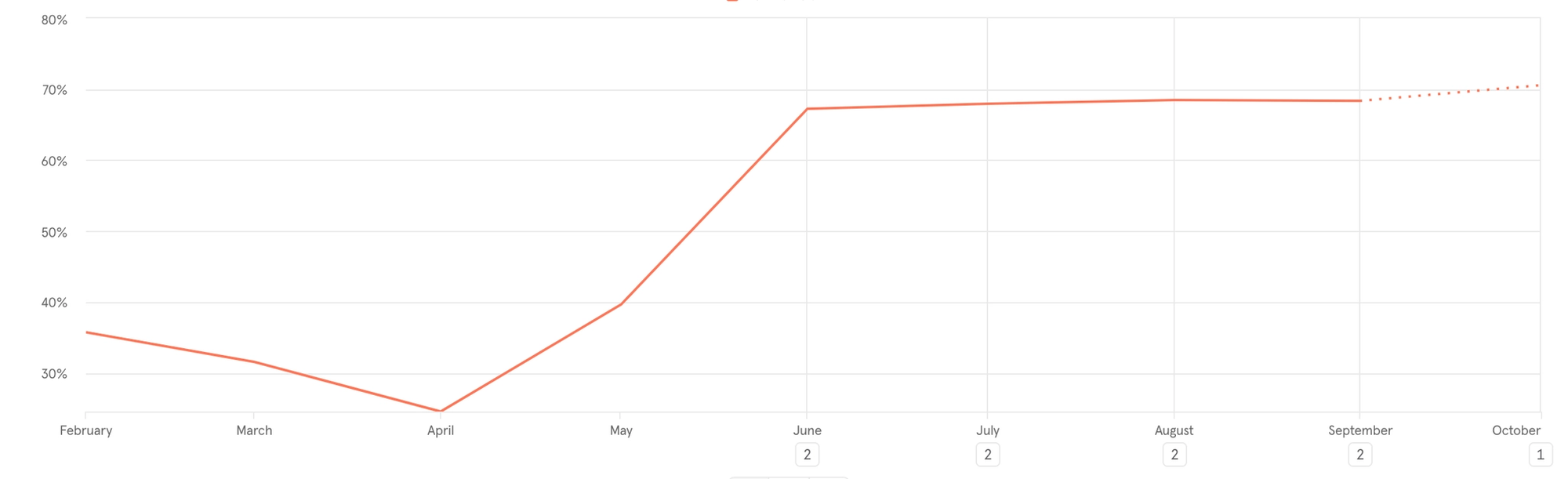
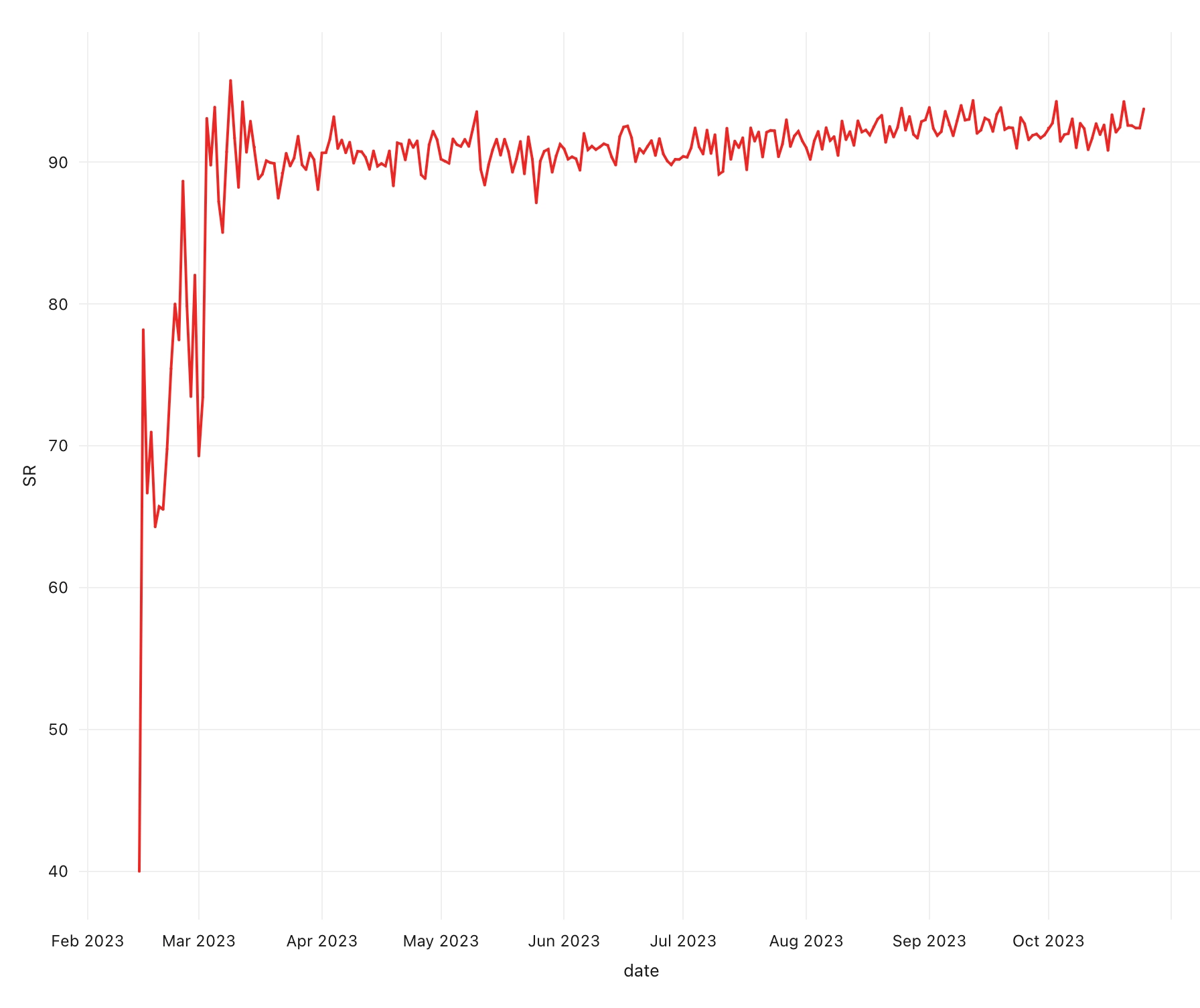
- Success rate improved by ~7%
- Payment routing costs decreased by ~12%
- Operational efficiency increased by ~9%
- Provider outages decreased by 93% month-over-month after introducing the real-time rerouting system
CRED’s payment infrastructure became more resilient, predictable, and cost-efficient, directly improving user experience at massive scale
Challenge 2: Improving Rent Payment Success Rate
CRED’s rent payment product allowed users to pay rent via credit card. However, success rates were lower than expected because:
- Banks frequently declined transactions
- A subset of users attempted to use the product for cash-out behavior, triggering risk controls
- Users repeatedly retried payments using the same card after failure, even though the card had already shown a low probability of succeeding
The team needed a behavioural insight that could meaningfully improve success rates.
Solution
We performed a detailed analysis of user-level and transaction-level patterns. The key discovery was:
If a user’s first attempt failed, retrying with a different card had a 34% higher success rate than retrying with the same card.
This insight was incorporated directly into the product experience:
- The payment failure screen was redesigned
- Users were prompted to try an alternative card instead of retrying the same one
- Messaging highlighted that using a different card increases the chance of a successful payment
This small behavioural change created a large improvement in funnel performance.
Result
The updated UX and decision logic improved the rent payment success rate by 3%, which is a significant lift at CRED’s transaction scale.
This translated into:
- Fewer frustrated users
- Higher completed volume
- Fewer repeated declines and customer support cycles